
- Home
- The Serious Implications of pH-Induced Nutrient Lockup in Soils: Impacts on Crop Productivity and Sustainable Agriculture

Krunal Dholiya
GM-Research & Technology
Why pH-Induced Nutrient Lockup Is a Critical Agronomic Threat
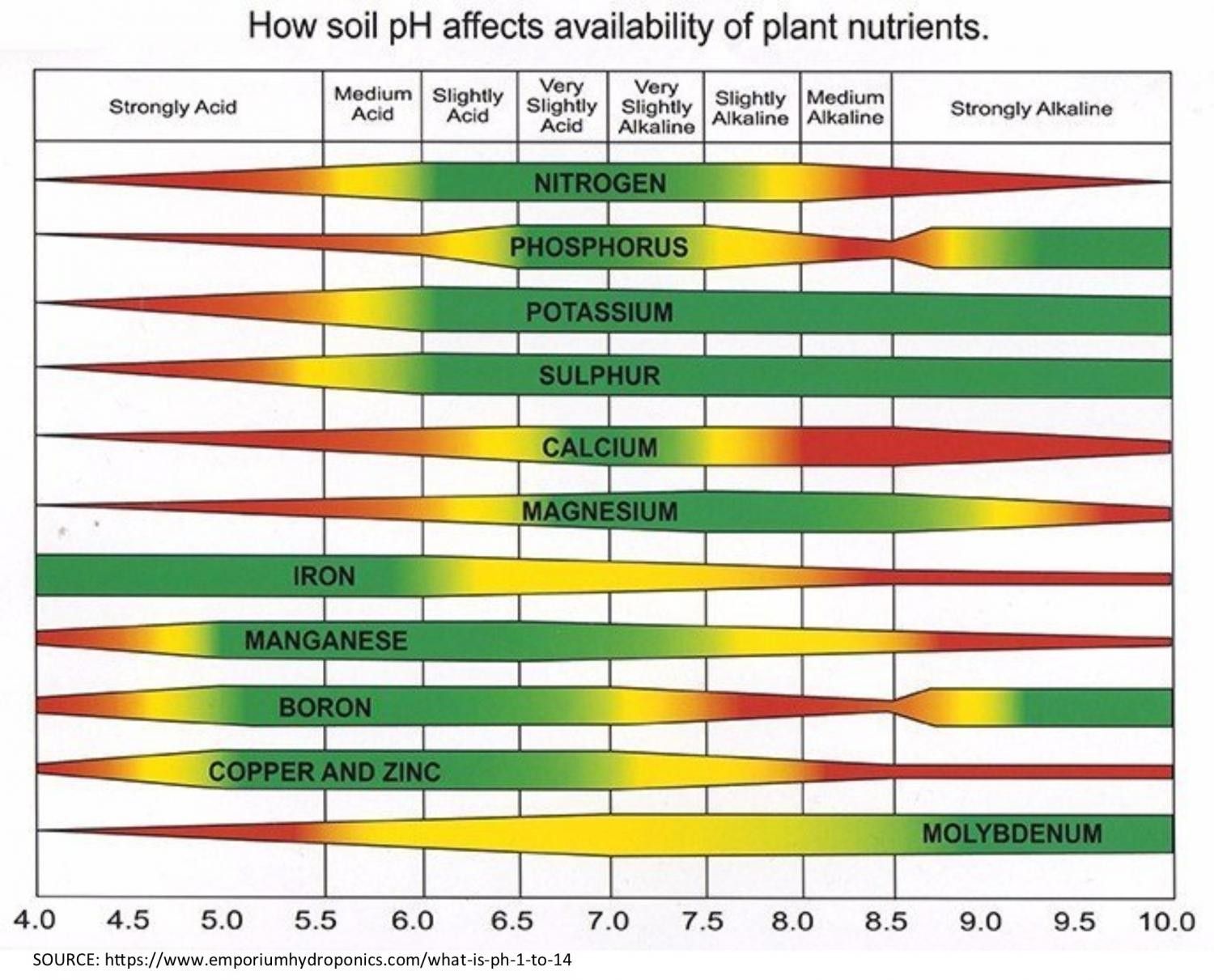
In Gujarat specifically, the situation is pronounced in black cotton soils (Vertisols) and irrigated zones of Saurashtra, North Gujarat, and other regions. Studies indicate Zn deficiency in 24–59% of soils (with some zones like North Gujarat reaching 58%), Fe deficiency around 10–26%, and overall micronutrient issues amplified by high pH and calcareous nature (Patel, 1998; Frontiers in Soil Science, 2024; regional surveys from Gujarat Agricultural University and ICAR-linked reports). These deficiencies are exacerbated in alkaline environments where pH lockup reduces phyto-availability even further.
At our agriculture company, we are deeply committed to tackling the real challenges Indian farmers face in achieving consistent, high-quality yields. One of the most critical yet often overlooked barriers is pH-induced nutrient lockup—commonly called nutrient lockout or nutrient unavailability due to pH extremes. In this condition, soil pH deviates from the optimal range (typically 6.0–7.0), causing essential macro- and micronutrients to become chemically insoluble, precipitated, or strongly adsorbed onto soil particles. As a result, plants cannot access these nutrients effectively, even when soil tests show adequate total levels (Marschner, 2012; Fageria et al., 2011; Lindsay, 1979). This leads to widespread hidden hunger in crops, manifesting as deficiency symptoms, stunted growth, poor quality produce, and substantial economic losses.
In India, particularly in semi-arid and arid regions like Gujarat, alkaline and calcareous soils dominate vast areas. These soils often have pH values exceeding 7.5–8.5 due to natural calcareous parent materials, bicarbonate-rich irrigation water, low organic matter, and intensive farming practices (Brady & Weil, 2008; Singh, 2008). Such conditions severely restrict the availability of key micronutrients—especially iron (Fe), zinc (Zn), manganese (Mn), and copper (Cu)—through the formation of insoluble hydroxides, carbonates, or phosphates (Lindsay, 1979; Romera & Alcantara, 2004). Nationwide soil surveys and studies consistently highlight the scale of the problem: approximately 49% of Indian soils are potentially deficient in available Zn, 12% in Fe, 5% in Mn, 3% in Cu, and 33% in boron (B) (Singh, 2008; Alloway, 2008; Shukla et al., 2021). More recent assessments confirm that Zn deficiency affects around 36.5–49% of sampled sites, with Fe at 12–12.8%, and multi-nutrient deficiencies (including combinations like S + Zn + B or Zn + Fe + B) occurring in 1–9% of areas (Shukla et al., 2021).
This lockup is not a minor issue—it directly contributes to yield reductions of 20–40% or more in affected fields. For major Gujarat crops:
- Groundnut suffers from severe Zn and Fe deficiencies in calcareous soils, leading to poor pod filling, reduced kernel size, lower oil content, and yield losses of 20–35% (or up to 60% when combined with macro-nutrient issues) (research on yield losses in groundnut due to micro-nutrient deficiencies in calcareous soils of India; CABI studies on micronutrients in groundnut).
- Cotton experiences reduced boll size, lint quality, and productivity losses often in the 25–40% range under severe conditions (regional studies on cotton-growing areas in South Gujarat).
- Pulses, vegetables, and other crops show stunted growth, chlorosis, cracking fruits, and diminished market value (Alloway, 2008; Singh, 2008).
These deficiencies create a vicious cycle: farmers apply more fertilizers to compensate, increasing input costs and environmental risks like nutrient runoff, while actual uptake remains low. Over time, this erodes soil health, reduces farm profitability, and threatens food and nutritional security across millions of hectares (FAO, 2021).
Mechanisms of pH-Induced Nutrient Lockup
Soil pH governs the chemical speciation and solubility of nutrients in the soil solution. In alkaline conditions (>7.5):
- High hydroxide (OH⁻) and bicarbonate (HCO₃⁻) concentrations promote precipitation reactions:
- Iron: Fe³⁺ forms insoluble Fe(OH)₃.
- Zinc: Zn²⁺ precipitates as Zn(OH)₂ or ZnCO₃.
- Manganese: Mn²⁺ forms Mn(OH)₂ or MnCO₃.
- Bicarbonates further impair root proton extrusion, hindering active uptake (Romera & Alcantara, 2004).
These processes are well-documented in soil chemistry literature and are particularly acute in calcareous soils, where free CaCO₃ buffers pH upward and fixes nutrients tightly (Lindsay, 1979).
Causes in Indian and Gujarat Contexts
Key drivers include:
- Natural soil parent material (calcareous rocks and sediments).
- Irrigation with alkaline/saline groundwater.
- Low organic matter, reducing buffering capacity.
- Over-liming or excessive use of calcareous amendments.
- Intensive cropping without balanced nutrient replenishment.
In Gujarat's arid/semi-arid zones, these factors combine to create persistently high pH environments that lock up micronutrients year after year.
Visible and Economic Impacts on Crops
Symptoms appear as:
- Iron deficiency: Interveinal chlorosis on young leaves (yellowing between green veins), progressing to bleached leaves and severe stunting.
- Zinc deficiency: Rosette growth, small leaves, delayed maturity, poor pod/boll development.
- Manganese deficiency: Pale leaves, necrotic spots, reduced photosynthesis.
Physiologically, these disrupt enzyme functions, chlorophyll synthesis, hormone regulation, and stress tolerance—leading to lower biomass, impaired reproduction, and reduced seed nutrient density. The economic toll is significant: lower yields translate to reduced incomes, while quality issues affect market prices and export potential.
Management Strategies
Effective approaches include:
- Regular Soil Testing — Monitor pH and DTPA-extractable micronutrients to identify risks early.
- pH Modification Where Practical — Gradual acidification using elemental sulfur or organic amendments to lower pH in alkaline soils.
- Targeted Micronutrient Applications — Foliar sprays bypass soil lockup for quick correction; soil applications timed and placed carefully to minimize fixation.
- Integrated Nutrient Management — Combine balanced fertilization with organic inputs to enhance soil structure, buffering, and long-term availability.
These strategies, supported by field trials in Indian conditions, have shown strong results in restoring nutrient uptake and boosting yields in high-pH soils.
pH-induced nutrient lockup remains a serious, systemic threat to sustainable agriculture in regions like Gujarat. By prioritizing soil testing, understanding local soil chemistry, and applying targeted interventions, farmers can unlock the full potential of their fields and achieve resilient, profitable production.
If you're seeing chlorosis, poor filling, or unexplained yield gaps in your crops, we're here to help—reach out for practical guidance.
References
Alloway, B. J. (2008). Micronutrients and crop production: An introduction. In B. J. Alloway (Ed.), Micronutrient deficiencies in global crop production (pp. 1–39). Springer. https://doi.org/10.1007/978-1-4020-6860-7_1
Brady, N. C., & Weil, R. R. (2008). The nature and properties of soils (14th ed.). Pearson Prentice Hall.
Fageria, N. K., Baligar, V. C., & Jones, C. A. (2011). Growth and mineral nutrition of field crops (3rd ed.). CRC Press.
FAO. (2021). The state of food and agriculture 2021: Making agrifood systems more resilient to shocks and stresses. Food and Agriculture Organization of the United Nations. https://www.fao.org/documents/card/en/c/cb4476en
Lindsay, W. L. (1979). Chemical equilibria in soils. John Wiley & Sons.
Marschner, H. (2012). Mineral nutrition of higher plants (3rd ed.). Academic Press.
Romera, F. J., & Alcantara, E. (2004). Ethylene involvement in the regulation of Fe-deficiency stress responses by auxin. Plant Physiology and Biochemistry, 42(6), 549–554. https://doi.org/10.1016/j.plaphy.2004.05.004
Shukla, A. K., Behera, S. K., Prakash, C., Tripathi, A., Patra, A. K., Dwivedi, B. S., ... & Singh, A. K. (2021). Deficiency of phyto-available sulphur, zinc, boron, iron, copper and manganese in soils of India. Scientific reports, 11(1), 19760. https://doi.org/10.1038/s41598-021-99040-2
Singh, M. V. (2008). Micronutrient deficiencies in crops and soils in India. In B. J. Alloway (Ed.), Micronutrient deficiencies in global crop production (pp. 93–125). Springer.
Comments (0)
No comments yet. Be the first to comment!
Search Blogs
Recent Blogs
The Biology of Water Activity
August 7, 2026
What the Green on Our Trays Is Really Telling Us
July 29, 2026

Leave a Comment