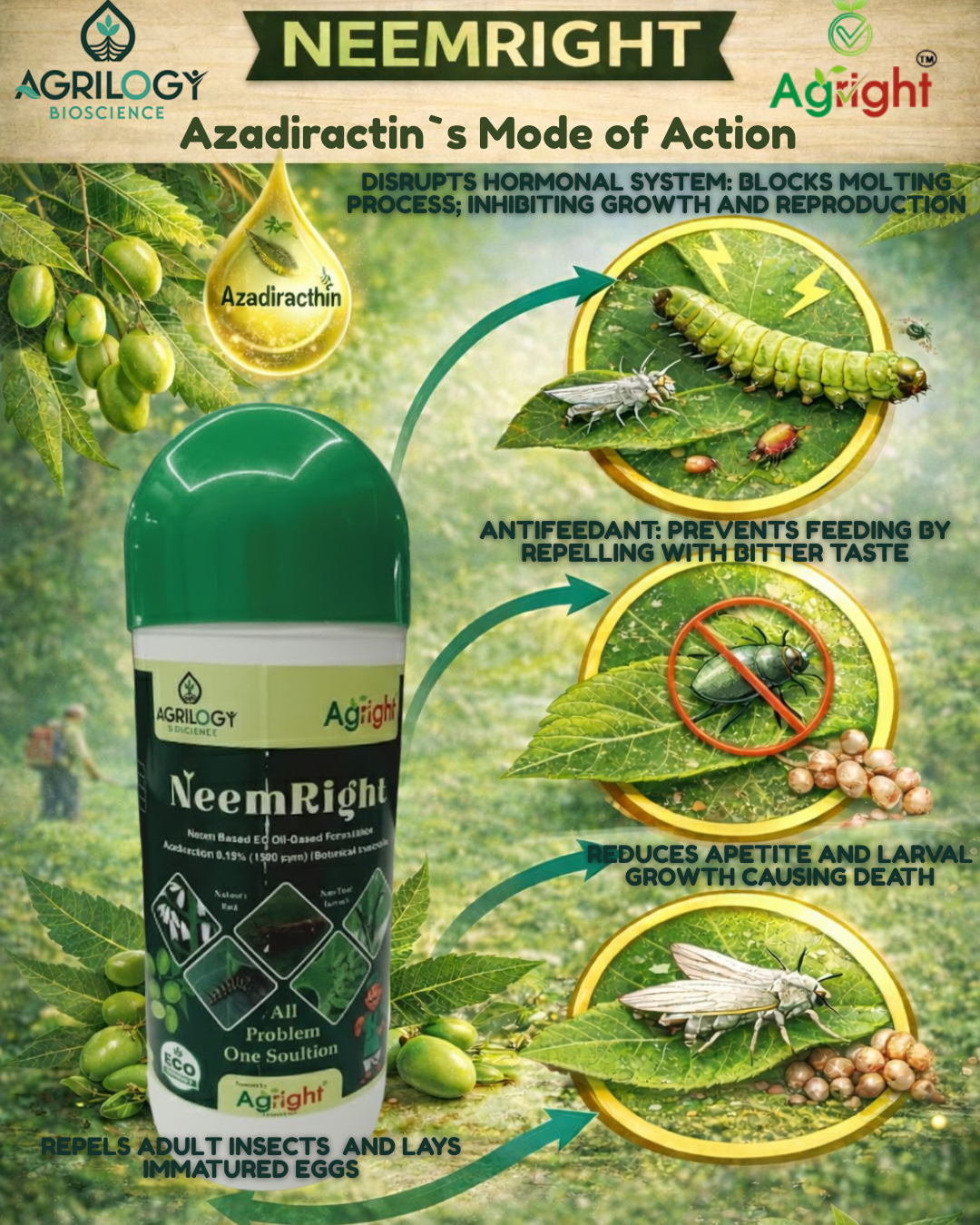


Beyond the Root: How Mycorrhizal Fungi Lead a Microbial Network to Healthier Soil
Mycorrhizal fungi are the cornerstone of the rhizosphere's "Wood Wide Web," coordinating with bacteria and protists in a powerful nutrient exchange. Learn how this partnership is key to plant health, soil carbon storage, and sustainable farming.
Beneath every thriving plant lies a hidden economy—one where currencies of carbon, nitrogen, and nutrients flow through a living network so sophisticated it makes our digital world seem simple.
We often hear about mycorrhizal fungi, nature's famous root partners, but they are just one actor in a much larger ensemble.
Welcome to the rhizosphere: the bustling, millimeter-thin zone around plant roots where fungi, bacteria, protists, and countless microbes don't just coexist—they collaborate with a precision that sustains entire ecosystems, builds climate resilience, and even powers a new kind of economy: the soil carbon market.
The Rhizosphere: Not Just Dirt, but a Living Marketplace
Picture the soil around a root not as dirt, but as a vibrant, microscopic city. The root is the central plaza, exuding root exudates—a rich cocktail of sugars, acids, and compounds that act like an open invitation and currency. This is where the collaboration begins.
The Key Players and Their Roles:
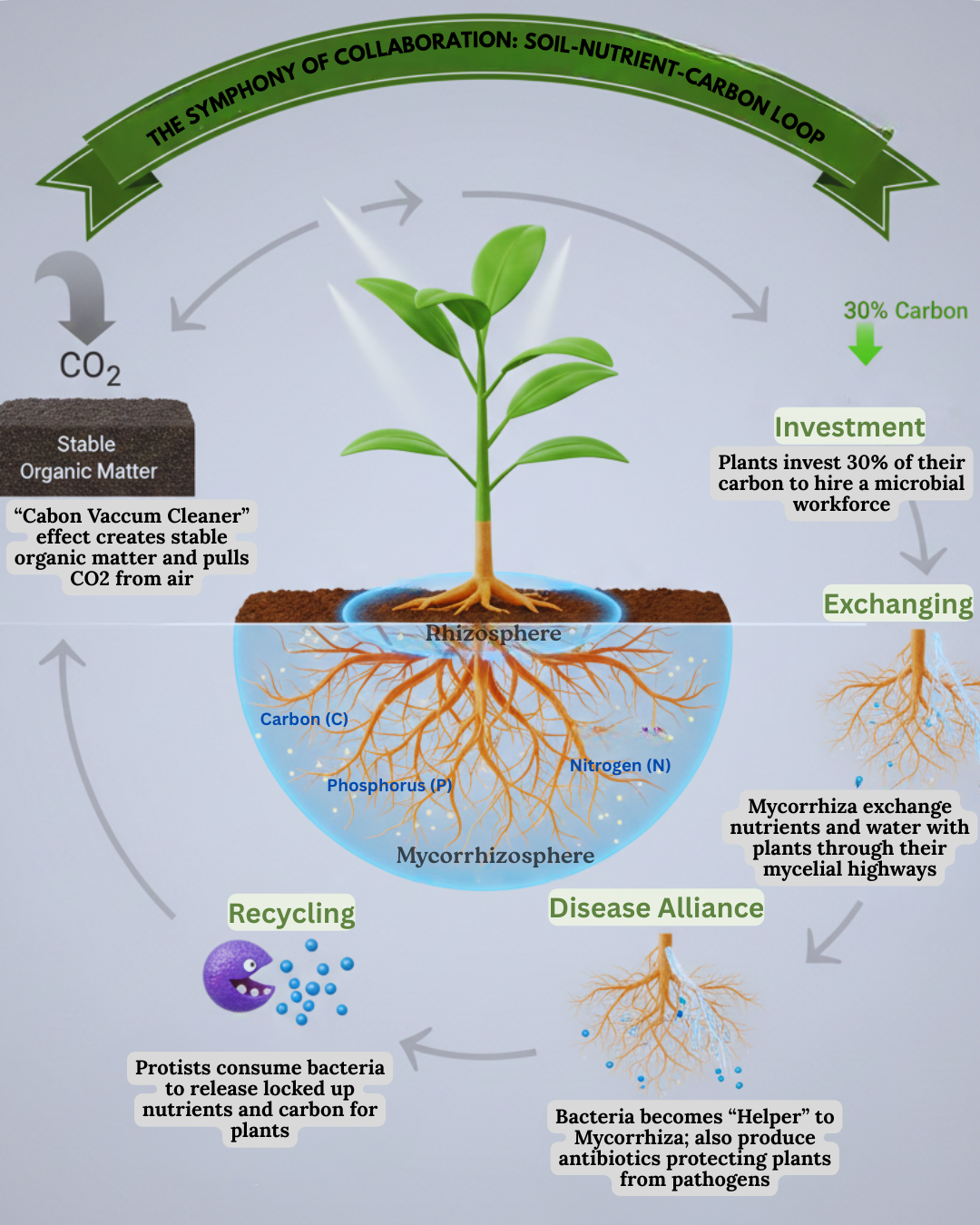
- Plant Roots: The "Bankers" and architects. They invest up to 30% of their photosynthesized carbon into the soil to hire their microbial workforce.
- Mycorrhizal Fungi: The "Distribution Network." Their vast mycelial highways transport water and nutrients (like phosphorus) to plants in exchange for carbon. They connect entire plant communities in a "Wood Wide Web."
- Bacteria: The "Specialized Processors." They fix atmospheric nitrogen, solubilize minerals, decompose organic matter, and produce growth-promoting hormones and natural antibiotics. Some, like rhizobia, form direct partnerships with legumes.
- Protists: The "Regulators and Recyclers." These microscopic predators graze on bacteria, releasing locked-up nitrogen and other nutrients in a process called the "microbial loop." They keep the bacterial community productive and diverse.
The Symphony of Collaboration: How the Web Functions?
This isn't a collection of independent organisms; it's a tightly integrated system where each member's survival boosts the others.
1. The Nutrient Exchange Cycle:
The plant pays fungi and bacteria with carbon (sugars). Bacteria process raw materials. Protists then consume bacteria, releasing plant-ready nutrients right onto the fungal highways. Fungi deliver these nutrients back to the plant. The plant, now healthier, photosynthesizes more, funding the next cycle.
2. The Defense Alliance:
A diverse rhizosphere microbiome is a plant's best immune system. Bacteria produce antibiotics. Mycorrhizal fungi form a physical barrier on roots. Predatory protists and nematodes consume pathogenic fungi and bacteria. Together, they "crowd out" disease.
3. The Soil Structure Brigade:
Fungal hyphae weave through soil particles, binding them into stable aggregates. Bacteria produce sticky glues (polysaccharides). This creates pore spaces for air, water, and root growth—transforming compacted dirt into resilient, spongy soil.
How This Tiny World Helps Our Big World (Including Climate!) ?
This teamwork doesn’t just help plants—it can pull carbon out of the air and lock it safely in the soil. Here’s how:
- Plants take CO₂ from the air.
- They send carbon down to their roots to feed microbes.
- Microbes use some carbon, but a lot of it gets stored in the soil as stable organic matter (thanks to fungal networks and microbial “leftovers”).
- This process makes soil richer and acts like a carbon vacuum cleaner for the atmosphere.
From Collaboration to Credits:
Regenerative agricultural practices (no-till, cover cropping, diverse rotations, compost) explicitly aim to nurture this rhizosphere web. By doing so, farmers can:
- Increase the amount of carbon sequestered in their soil.
- Have this sequestration measured and verified by third parties.
- Earn soil carbon credits sold to companies or governments to offset their emissions.
This creates a powerful financial incentive to farm in a way that supports the very microbial collaborations that underpin ecosystem health. It’s a market-driven revolution rooted in biology.
How to Nurture the Web: A Guide for Gardeners, Farmers?
You can’t create this web by force, but you can create the conditions for it to flourish.
Do`s:
- Feed the Network: Add diverse organic matter (compost, mulch, cover crop roots). This is the universal fuel.
- Diversify: Plant polycultures. Different root exudates support different microbes, strengthening the entire web.
- Minimize Disturbance: Reduce or eliminate tillage. It destroys fungal networks and soil aggregates.
- Keep it Covered: Bare soil is a dead zone. Living roots and mulch maintain the habitat.
Avoid:
- Broad-Spectrum Chemicals: Pesticides and fungicides are often "weapons of mass destruction" for this delicate community.
- Synthetic Nitrogen Overload: It can shut down natural nitrogen-fixing partnerships and acidify the soil.
- Compaction: It destroys the pore spaces that are the microbial habitat.
The Big Picture
Mycorrhizal fungi are great, but the real power is in the teamwork—the whole web of life in the rhizosphere. When we support this teamwork, we get:
- Healthier plants with less work
- Better soil that holds water
- Fewer pests and diseases
- More nutritious food
- A real, natural solution to climate change
Good gardening—and good farming—is less about controlling nature, and more about supporting the partnerships that already exist. When we feed the life in the soil, the soil feeds us back, in more ways than one.

How to Make Biologicals Work? Optimizing the Soil-Root-Microbe System!
The promise of agricultural biologicals—from nitrogen-fixing bacteria to mycorrhizae fungi—is transforming modern farming. However, their success is not guaranteed by application alone. Unlike chemical inputs, these living products are sensitive performers in the complex realm of the soil and rhizosphere. Their efficacy depends on a symphony of environmental factors working in harmony. Here, we break down the core scientific parameters and management strategies that determine whether your biological investment will flourish or falter.
The Foundational Trio: pH, Redox Potential and Temperature
Think of these as the non-negotiable core abiotic driversfor your microbial workforce.
A. Redox Potential (Eh): The Breath of the Soil
Redox potential measures soil aeration, essentially telling you if your soil is gasping for air or breathing easily.
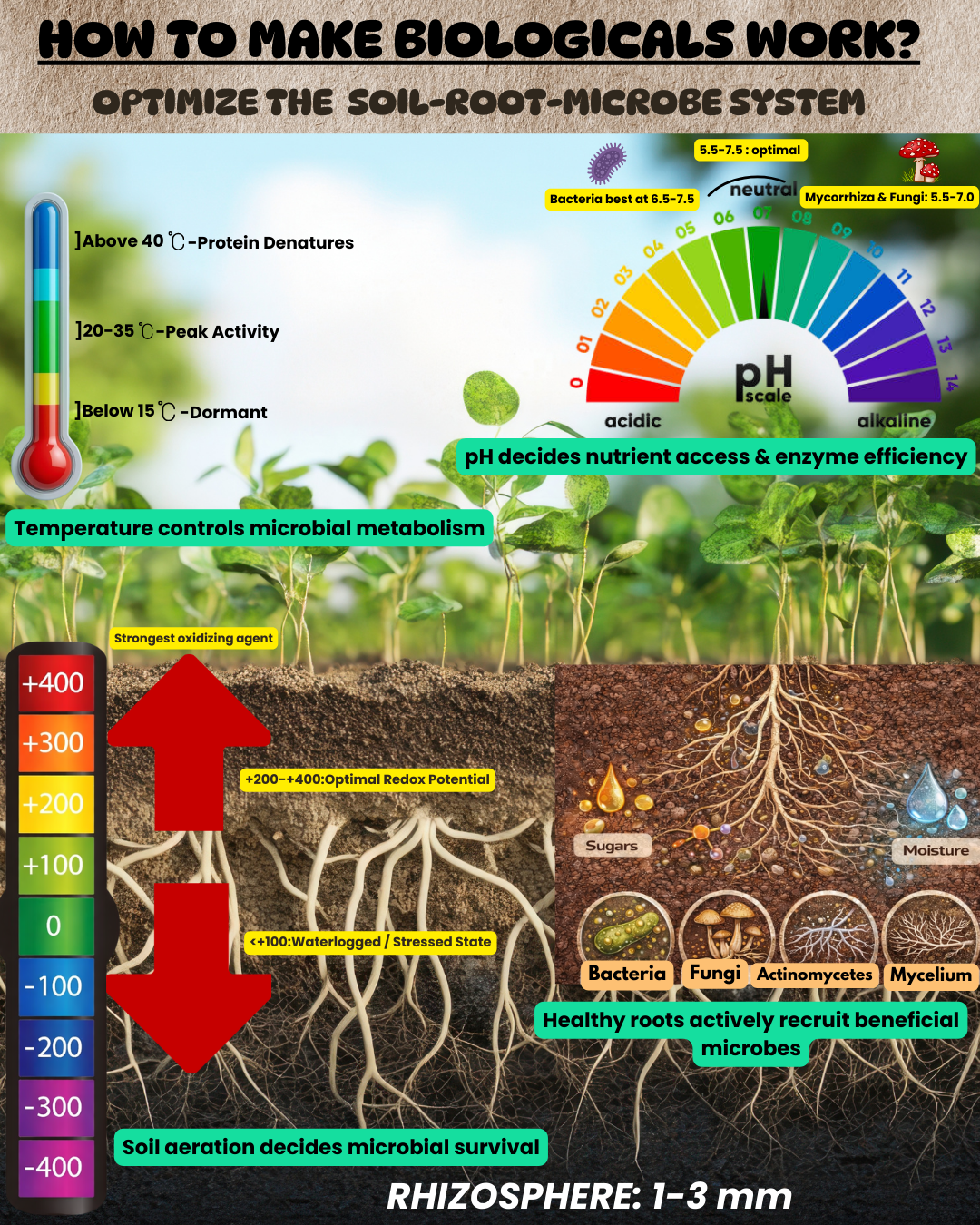
- Physiological Optimum: +200 to +400 mV for most beneficial aerobes.
- Microbial Preferences: Nitrogen-fixing Rhizobium needs well-aerated soil (Eh > +300 mV) to form nodules. PSB Pseudomonas operates well at moderate levels (+100 to +300 mV). Notably, while some anaerobes function at negative Eh, they are less common in standard biologicals.
- Key Insight: A waterlogged, low-Eh (< +100 mV) environment will suffocate many aerobic Plant Growth-Promoting Rhizobacteria (PGPR), though it may be less detrimental to certain fungi.
B. pH: The Acidity Balance
pH dictates nutrient availability and microbial membrane stability.
- Bacterial Preference: Thrive in neutral to slightly alkaline soils (pH 6.5-7.5), with exceptions like acid-tolerant strains.
- Fungal Preference: Enjoy a broader, slightly more acidic range (pH 5.5-7.5), with mycorrhizae performing optimally at pH 5.5-7.0.
- Critical Impact: pH directly influences enzyme activity and the efficiency of siderophores—the iron-scavenging molecules produced by many biocontrol agents.
C. Temperature: The Metabolic Thermostat
Temperature controls microbial activity and protein integrity.
- Optimal Range: 20-35°C (mesophilic range) for most products.
- Critical Thresholds: Activity significantly slows below 15°C, while sustained heat above 40°C can denature proteins in many PGPRs.
- Strategy: Match the inoculant to the season. Seek out psychrotolerant strains for early spring or fall applications and thermotolerant strains for summer use.
The Plant's Role: Root Architecture is Everything
The plant is not a passive recipient but an active regulator of its rhizosphere microbiome through its root architechture.
- Root Surface Area: Finer root systems create more sites for colonization.
- Root Exudates: This is the plant's chemical communication. Legumes secrete flavonoids to attract Rhizobium, while cereals release malic acid to beckon Bacillus subtilis. The quantity and quality of these exudates drive microbial chemotaxis.
- Root Hair Density: This is often the frontline for bacterial colonization—higher density means more entry points.
- Root Depth: Shallow root systems favour mycorrhiza partnerships, while deeper roots may require strategically placed inoculants.
Building a Favourable Soil Ecosystem
Beyond the core trio, a thriving soil ecosystem sets the stage for success.
A. Physical & Chemical Properties:
- Aim for loamy soils with good porosity (40-60% pore space) to allow microbial movement.
- Maintain organic matter above 2% to provide carbon and buffer changes.
- A C:N ratio of 20:1 to 30:1 is optimal. Avoid excessive nitrogen or phosphorus, which can inhibit biological N-fixation and P-solubilization.
- Ensure low salinity (EC < 2 dS/m) and a Cation Exchange Capacity > 10 cmol⁺/kg for nutrient retention.
B. The Rhizosphere Hotspot:
This 1-3 mm zone around the root is the action centre. Manage for:
- Exudate Profiles: A mix of sugars (energy), amino acids (nitrogen), and organic acids (chelation).
- Mucilage Production: Creates a protective "rhizo sheath" for microbes.
- Moisture: Ideal at 60-80% of water holding capacity.
Synergies and Strategic Application
Understanding how different inoculants interact with their environment allows for smarter combinations.
- Bacterial inoculants perform best in well-aerated soils with a redox potential of +250 to +400 mV, moderate temperatures between 25–32°C, and plant roots that have a high density of root hairs, which provide more attachment sites for bacteria.
- Fungal inoculants, including mycorrhiza, prefer slightly lower redox conditions of +200 to +350 mV, cooler temperature ranges of 20–28°C, and plants with extensive lateral root systems, as these roots enhance fungal colonization and symbiotic spread.
- Actinomycetes thrive under highly aerobic conditions with a redox potential of +300 to +450 mV, warmer temperatures of 28–35°C, and rhizospheres characterized by moderate to high root exudation, which supplies the organic compounds they require for sustained activity.
A Practical Optimization Protocol:
- Pre-Application: Assess soil health cards, root health, and native microbial load.
- Application Timing: Apply when soil temperature is >15°C, during active root growth, to moist (not saturated) soil, ideally in early morning or late evening to reduce UV damage.
- Post-Application: Monitor rhizosphere colonization, plant vigour, and soil respiration rates.
The Key Takeaway
Successful biological application is an exercise in system optimization, not a single-factor fix. It requires managing the rhizosphere as a holistic ecosystem where soil physics, chemistry, and biology converge to support plant-microbe performances. The most effective strategy combines regular, detailed soil testing with keen root health assessments, creating a feedback loop for continuous improvement. By tuning the stage—the soil environment—you enable the living actors in your biological products to deliver their full, transformative performance for your crops.
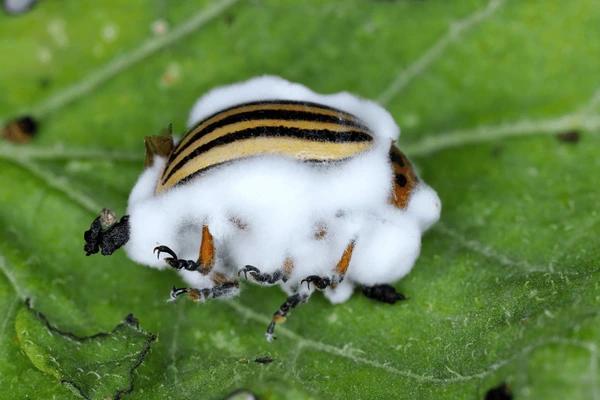
Beauveria bassiana: Strong on Pests, Gentle on the Environment
Precision biology, not chemical aggression
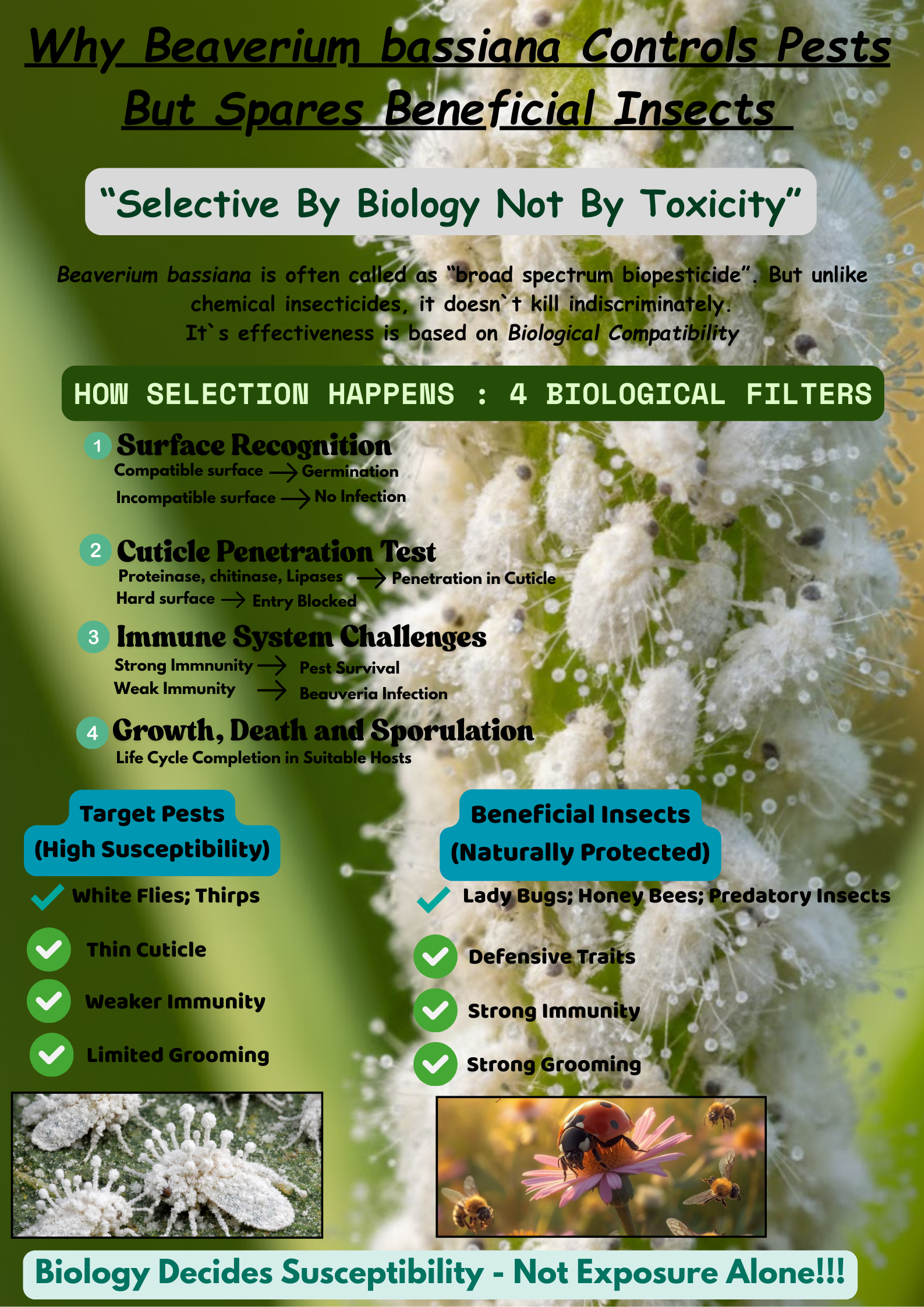
Beauveria bassiana is often grouped with “broad-spectrum” biopesticides—but its behavior in the field tells a very different story from chemical insecticides.
It does not kill indiscriminately.
It acts only where biology allows it.
This built-in selectivity is why Beauveria bassiana has remained effective, safe, and relevant in agriculture for decades.
A Biological Filter — Not a Chemical Hit
Chemical insecticides work by force: nerve poisoning, metabolic collapse, or respiratory failure.
Beauveria bassiana works through biological compatibility.
Every insect it encounters must pass multiple biological filters before infection can occur.
If even one filter fails, the fungus stops.
Step 1: Surface Compatibility Comes First
When fungal spores land on an insect, nothing dramatic happens immediately.
The spore first “reads” the insect’s outer surface i.e. epicuticle.
Each insect species has a unique mix of waxes, lipids, cuticle proteins, and surface microbes.
Only when this chemistry is compatible does the spore germinate. Otherwise, it remains inactive or dies.
Outcome: Many insects are naturally ignored.
Step 2: The Cuticle Barrier
In susceptible pests, the fungus forms a penetration structure and releases enzymes that dissolve cuticle components.
- Soft-bodied insects are more vulnerable
- Thick, hardened, or chemically defended cuticles often block entry
Outcome: Physical structure determines susceptibility.
Step 3: Immune Strength Decides the Battle
If the fungus enters the insect body, it must survive immune defenses.
- Insects with slow or weak immune responses are easily colonized
- Others respond rapidly with immune cells, antimicrobial compounds, and melanization that restrict fungal growth
Outcome: Strong immunity equals natural resistance.
Step 4: Controlled Completion of the Cycle
Only when the fungus can grow freely inside the insect does it cause death and emerge to sporulate.
This ensures Beauveria bassiana:
- Multiplies only in suitable hosts
- Does not spread uncontrollably
- Remains ecologically self-limiting
Why Beneficial Insects Are Usually Safe?
Beneficial insects are protected by a combination of:
- Efficient grooming behavior
- Strong immune defenses
- Protective surface microflora
- Cuticle chemistry that resists fungal enzymes
Pollinators and predators are not immune, but under normal field use they are biologically well defended.
Humans and animals lie completely outside the fungus’s range due to higher body temperature and complex immunity.
What This Means for Farmers?
The real strength of Beauveria bassiana lies in precision, not aggression.
✔ Effective against major sucking and chewing pests
✔ Preserves beneficial insects
✔ Leaves no chemical residues
✔ Supports resistance-free pest management
Important: Strain selection matters! Different strains are adapted to different pests.A well-matched strain delivers consistent results; a poor match leads to disappointment.
Beauveria bassiana does not kill by force.
It succeeds only where biology allows it.
That selectivity is what makes it strong on pests, yet gentle on the environment—and why it stands at the core of sustainable and organic pest management.
At Agrilogy Bioscience Pvt. Ltd., our Beauveria bassiana formulations are developed with this exact principle in mind:
strain precision, biological compatibility, and field-level reliability—so farmers control pests effectively without disturbing beneficial insects, soil life, or ecological balance.
Because true pest control isn’t about killing everything—it’s about targeting only what needs to be controlled.
Explore Agrilogy Bioscience’s biologically precise Beauveria bassiana solutions for sustainable, residue-free pest management.
Neem Oil in Pest Management: Biological Mechanisms, Efficacy, and Safety Profile
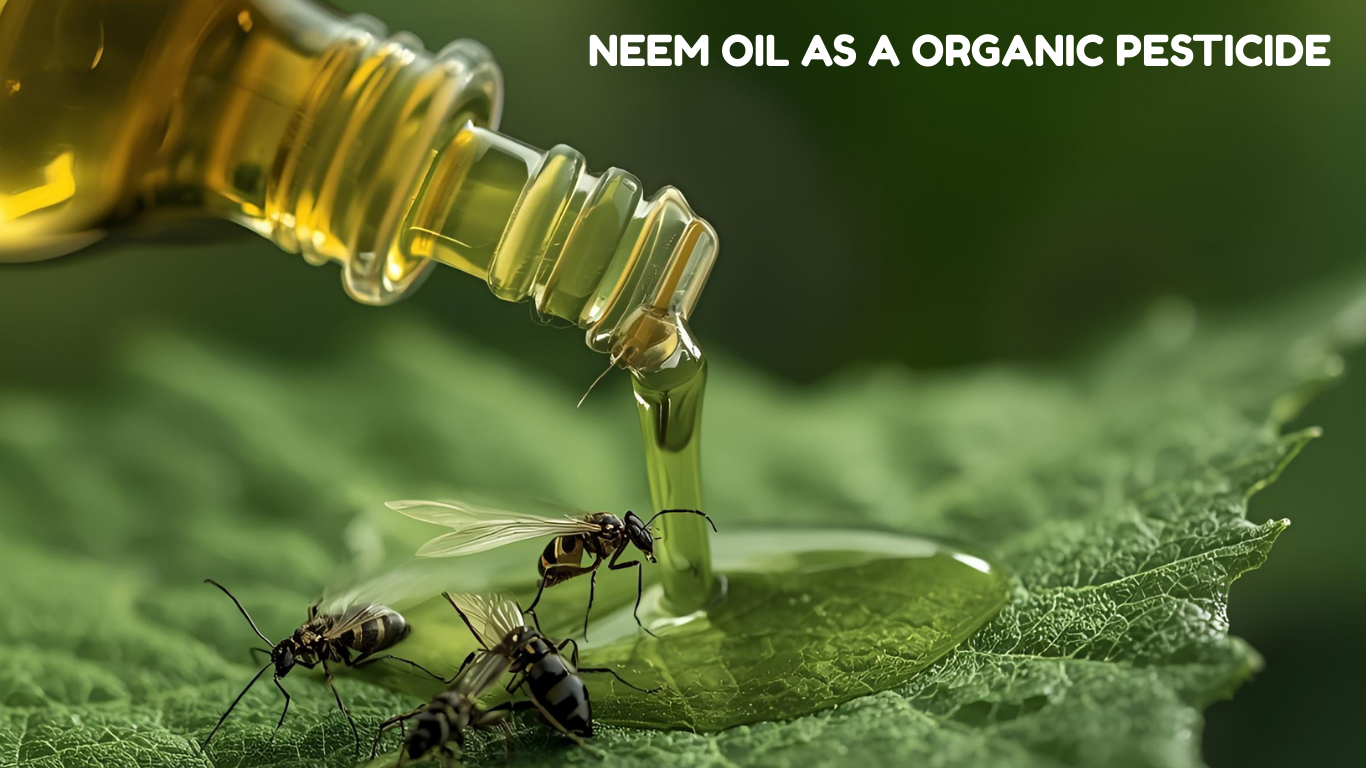
Neem oil is one of the most scientifically proven and widely accepted biological pest management tools in sustainable and organic agriculture. Extracted from the seeds of Azadirachta indica, neem oil controls insect pests and certain plant pathogens through biological, hormonal, and behavioral mechanisms, rather than acute chemical toxicity.
At the heart of neem oil’s biopesticidal action lies Azadirachtin, a powerful limonoid that functions as a biological regulator, making neem oil highly effective against pests while remaining remarkably safe for humans, animals, beneficial insects, and the environment.
Neem Oil in Modern Integrated Pest Management (IPM)
In Integrated Pest Management systems, neem oil is classified as a botanical biopesticide. Unlike synthetic pesticides that act as nerve poisons, neem oil interferes with multiple critical life processes of insects:
- Feeding behavior
- Growth and molting
- Reproduction and population buildup
- Host selection and colonization
This multi-target action makes neem oil an ideal tool for resistance-safe and eco-friendly pest control.
Active Compounds in Neem Oil Responsible for Pest Control
Neem oil is a natural consortium of bioactive limonoids, each contributing to pest suppression.
Key Bioactive Components
- Azadirachtin – insect growth regulator, antifeedant, reproductive suppressant
- Salannin & Meliantriol – strong feeding and oviposition deterrents
- Nimbin & Nimbidin – antifungal and antibacterial agents
- Minor limonoids – enhance systemic and behavioral effects
Among these, azadirachtin is the most critical and extensively researched compound.
Azadirachtin: The Biology-Driven Advantage of Neem Oil
Azadirachtin does not act as a neurotoxin. Instead, it targets insect-specific hormonal and physiological pathways, making it highly selective.
1. Azadirachtin as an Insect Growth Regulator (IGR)
In insects, growth and development are regulated by ecdysone, the molting hormone.
Azadirachtin:
- Inhibits synthesis and release of ecdysone
- Binds to ecdysone receptors without proper activation
- Disrupts hormonal signaling required for molting
Result:
- Larvae fail to molt properly
- Pupation becomes incomplete or abnormal
- Insects die during molting or emerge malformed and non-viable
Key scientific insight:
Mammals do not possess an ecdysone-based molting system, which explains neem oil’s low mammalian toxicity.
2. Antifeedant Action: Immediate Reduction in Crop Damage
Azadirachtin and salannin bind to gustatory receptors in insect mouthparts.
- Treated plants become unpalatable
- Insects stop feeding within hours
- Starvation leads to weakening and eventual death
This explains why neem oil reduces crop damage quickly, even though it is slow-acting in terms of mortality.
3. Reproductive Suppression and Oviposition Deterrence
Azadirachtin controls pests at the population level.
- Inhibits vitellogenesis (egg yolk formation)
- Reduces egg viability and fertility
- Suppresses sperm production in males
- Females avoid laying eggs on neem-treated surfaces
Field implication:
Even surviving insects fail to produce the next generation.
4. Behavioral and Repellent Effects
Neem oil alters insect behavior rather than killing instantly.
- Repels insects from treated crops
- Disrupts mating and pheromone communication
- Reduces pest colonization pressure
5. Direct Physiological Toxicity at Higher Exposure
With repeated exposure or higher concentrations:
- Neem compounds damage insect midgut epithelial cells
- Digestive enzyme activity is inhibited
- Nutrient absorption and energy production decline
This leads to gradual but irreversible mortality.
Efficacy of Neem Oil in Pest and Disease Management
Neem oil is effective against more than 600 insect species, including:
- Aphids
- Whiteflies
- Thrips
- Caterpillars
- Leaf miners
- Beetles
- Mites
Antifungal Activity
Neem oil also suppresses plant fungal diseases:
- Inhibits spore germination
- Disrupts fungal cell wall and membrane integrity
- Induces Systemic Acquired Resistance (SAR) in plants
Safety Profile of Neem Oil: Why It Is Safe for Humans and Mammals
Neem oil’s safety is based on biological selectivity, not dilution.
Neem oil is safe for mammals because it targets biological systems that are unique to insects and fungi. Azadirachtin disrupts the insect molting hormone ecdysone, a system that does not exist in mammals. It also affects chitin-based structures, which form the insect exoskeleton and fungal cell walls, but are completely absent in mammalian tissues. Additionally, mammals possess a highly efficient liver detoxification system that rapidly metabolizes neem compounds, whereas insects have limited detoxification capacity. This absence of target sites combined with rapid metabolic clearance explains neem oil’s high efficacy against pests and its low toxicity to humans and animals.
How Neem Oil Formulation Influences Efficacy and Safety?
While the biological activity of neem oil is driven primarily by azadirachtin, it is important to understand that not all neem oil products are the same. The concentration of azadirachtin, the presence of other limonoids, and the method of processing significantly influence field performance, spectrum of activity, stability, and resistance risk. Commercial neem-based products generally fall into two broad categories—cold-pressed (unrefined) neem oil and azadirachtin-extracted or enriched formulations. Understanding the fundamental differences between these two forms is essential for selecting the most effective and sustainable option for pest management.
Cold-Pressed Neem Oil (Unrefined)
Cold-pressed neem oil is the most natural form of neem oil. It is made by mechanically pressing neem seeds without using heat or chemicals. Because no high temperature or solvents are used, the oil retains all its natural active compounds, including azadirachtin, salannin, nimbin, and other beneficial neem substances giving broader spectrum of insecticidal activity with lower resistance risk of pests. It is best for organic farming, IPM programs.
Another important advantage of cold pressed neem oil is safety. Since cold-pressed neem oil is minimally processed, it breaks down quickly in the environment, leaves very low residues on crops, and is generally safe for farmers, consumers, beneficial insects, and soil life when used at the recommended dose.
2. Azadirachtin-Enriched Neem Oil
Azadirachtin-enriched neem oil is a more processed form of neem-based biopesticide. In this case, neem seeds are treated using special extraction methods to separate and concentrate azadirachtin, the most powerful insect-controlling compound present in neem. The final product contains a known and fixed amount of azadirachtin, which gives consistent and predictable performance in the field.
Because of this higher concentration, these products act more strongly as insect growth regulators, especially against severe infestations of sucking and chewing pests. Farmers often prefer azadirachtin-enriched neem oil when they need fast population suppression and uniform results across large areas.
Enriched formulations usually have a narrower action spectrum compared to cold-pressed neem oil. This is why they are best used strategically, often as part of a rotation or integrated pest management program, rather than for continuous long-term use.
Neem Oil: Precision Pest Control Through Biology
Neem oil works not by overwhelming pests with toxicity, but by precisely disrupting the biological systems that sustain them. Driven by azadirachtin and supported by other natural limonoids, it interferes with insect feeding, development, reproduction, and behavior in a coordinated manner. This biologically selective action delivers effective pest control while protecting crops, beneficial organisms, and the environment—making neem oil an essential tool for long-term, sustainable pest management.
“Effective pest control does not require poisoning—only biological understanding.”